
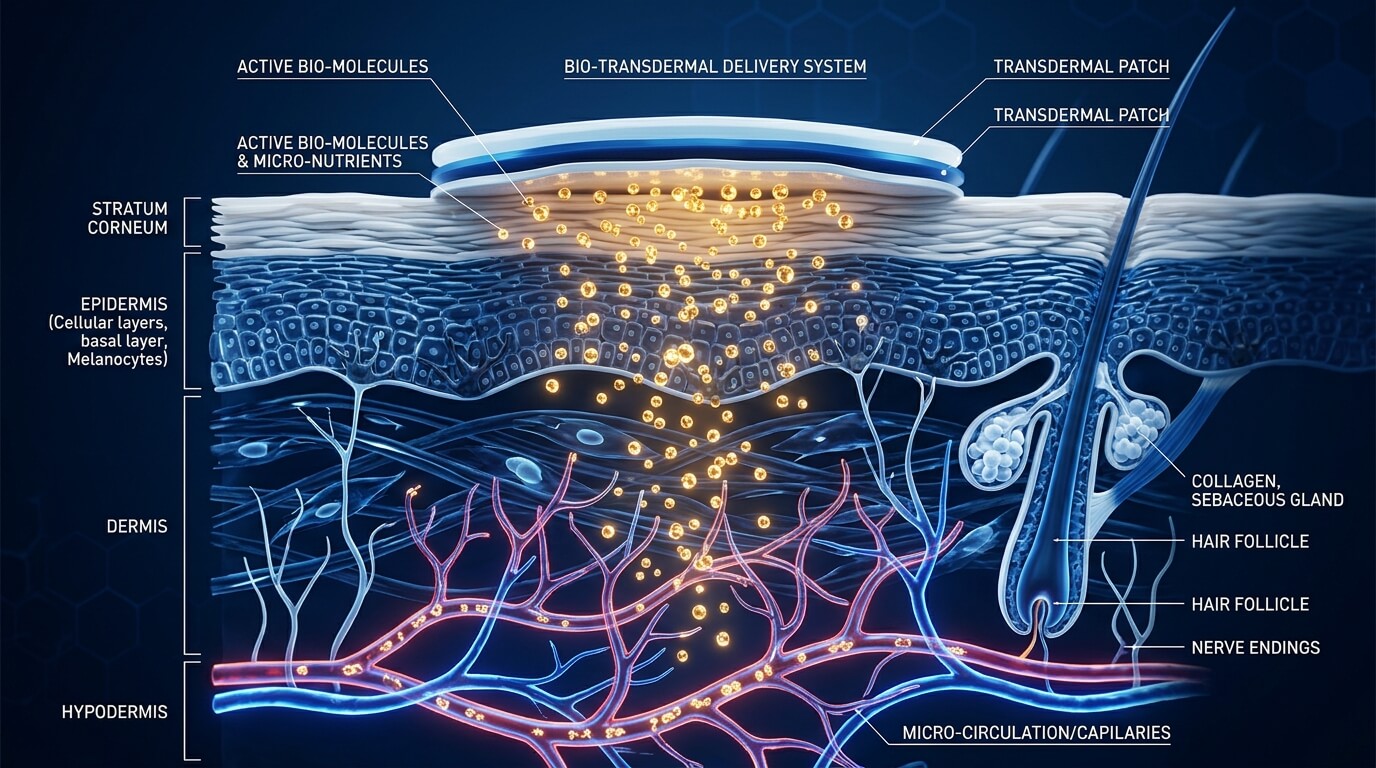
🔬 Key Clinical & Consumer Takeaways
- Question #16 Answered Clearly: P-Protect Patch™ CANNOT treat, cure, or reverse clinically diagnosed Benign Prostatic Hyperplasia (BPH) or prostate disease.
- Instead, P-Protect Patch™ is designed as a daily non-prescription wellness patch to support pelvic micro-circulation, antioxidant defense, and everyday urinary comfort*.
- Learn when natural transdermal support is appropriate—and what red-flag symptoms require immediate evaluation by a board-certified urologist.
1. Can P-Protect Patch™ Treat an Enlarged Prostate (BPH)? (Question #16)
Let's answer Question #16 with 100% medical honesty: No. Benign Prostatic Hyperplasia (BPH)—commonly called an enlarged prostate—is a diagnosed medical condition in which stromal and epithelial cells of the prostate gland proliferate and mechanically compress the prostatic urethra.
P-Protect Patch™ is an over-the-counter men's dietary and botanical wellness patch, not an FDA-approved alpha-blocker (like tamsulosin) or 5-alpha-reductase inhibitor drug (like finasteride). It is not intended to cure, shrink, or treat medical BPH.
2. How Pelvic Micro-Circulation & Botanical Phytosterols Support Everyday Urinary Comfort
While P-Protect Patch™ is not a pharmaceutical drug, adult men use it to support the underlying physiological wellness pathways that keep the lower urinary tract comfortable as they age:
- Pelvic Micro-Capillary Circulation: Sitting for long hours, age-related vascular stiffness, and oxidative stress reduce blood flow through the pelvic floor. Antioxidants like Lycopene and cofactors like Vitamin B6 + Zinc support healthy endothelial micro-circulation*.
- Detrusor & Sphincter Calm: Botanical lipids from Pumpkin Seed, Pygeum, and Saw Palmetto help support calm bladder wall signaling so you experience less nagging daytime urgency and smoother nighttime rest*.
3. When to See a Urologist Immediately
While a wellness patch is a great proactive habit for general urinary comfort, always consult a licensed physician or urologist if you experience: inability to urinate (acute retention), blood in your urine (hematuria), burning or pain during urination, unexplained lower back/pelvic pain, or an elevated PSA blood test.
Frequently Asked Questions on This Topic
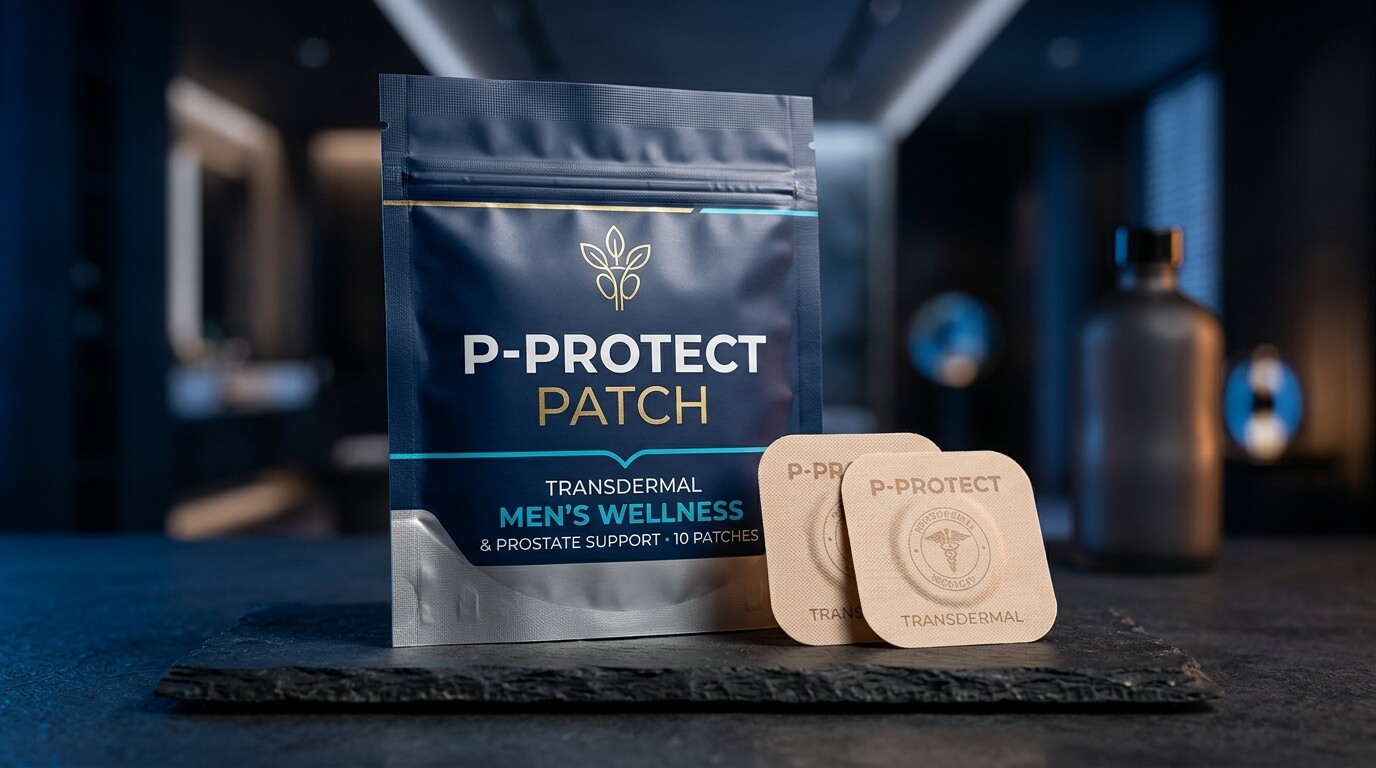
Ready to Try P-Protect Patch™ Risk-Free?
Save up to 70% ($49/Pack on the 6-Pack) with Free Express Shipping, 2 Free Bonuses, and our 60-Day Money-Back Guarantee.