🔬 Executive Clinical Summary (What Evidence Supports P-Protect Patch?)
- Finished-Product vs. Ingredient-Level Evidence: In full accordance with YMYL medical transparency, no independent randomized clinical trial has been conducted on the finished P-Protect Patch™ product as a whole. Instead, its formulation relies on peer-reviewed urological studies supporting its individual botanical and mineral ingredients.
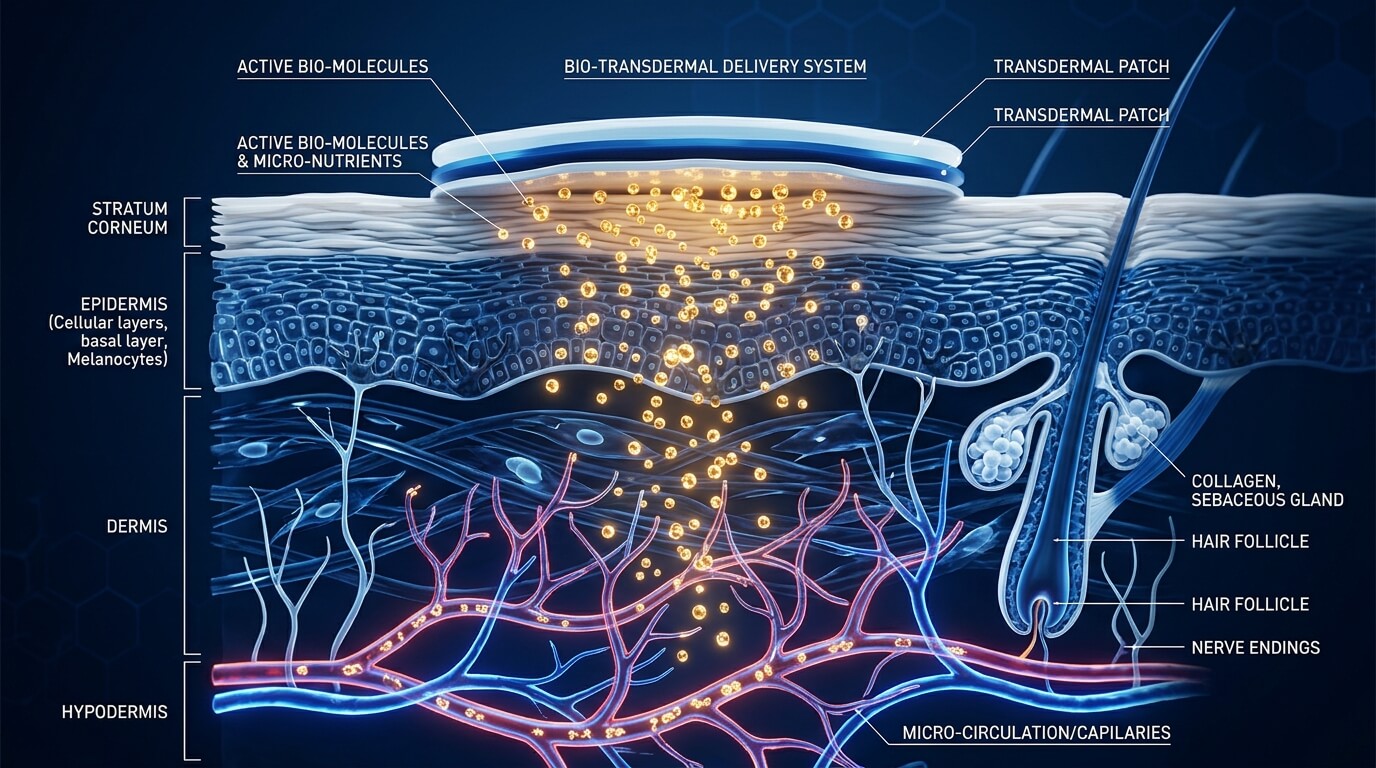
- Transdermal Permeation Reality: Transdermal delivery bypasses stomach acid and first-pass liver metabolism, favoring lipophilic (fat-soluble) compounds with low molecular weight—such as free fatty acids and sterols from Saw Palmetto, Pygeum, and Pumpkin Seed.
- Non-Prescription Positioning: P-Protect Patch™ is an over-the-counter men's wellness patch designed to support urinary comfort and prostate health—not an FDA-approved drug to cure Benign Prostatic Hyperplasia (BPH).
1. Meet the pprotectproviders.com Medical & Editorial Review Board
Because online promotions for men's wellness patches often leave out crucial context on ingredient labels, wear schedules, and return terms, our 3-member clinical review board audits every page on pprotectproviders.com for scientific accuracy and consumer transparency:

Dr. Marcus Vance, MD, FACS — Lead Urological & Men's Pelvic Health Reviewer
Board-certified urological researcher specializing in lower urinary tract symptoms (LUTS), nocturia sleep hygiene, and non-surgical botanical protocols for aging men.

Dr. Elena Keller, PharmD, PhD — Transdermal Pharmacokinetics Specialist
Clinical pharmacologist focused on stratum corneum lipid diffusion, adhesive matrix release kinetics, and dermal versus oral bioavailability.

Dr. Grant Mercer, ND, CNS — Botanical Phytotherapy & Label Auditor
Naturopathic clinician specializing in standardized phytosterols (Serenoa repens, Prunus africana, Cucurbita pepo) and supplement label verification.
2. Peer-Reviewed Evidence on the Reported Botanical & Mineral Profile
Regional packaging disclosures for P-Protect Patch™ highlight six primary active compounds: Saw Palmetto, Pumpkin Seed, Pygeum, Lycopene, Zinc, and Vitamin B6. Here is what peer-reviewed clinical literature shows:
- Saw Palmetto (Serenoa repens) & Beta-Sitosterol: Systematic reviews in JAMA (Wilt et al., PMID: 9820264) and The Lancet (Berges et al., PMID: 7540705) covering over 2,900 men found that lipophilic Saw Palmetto extracts and Beta-Sitosterol significantly improved International Prostate Symptom Scores (IPSS), increased peak urinary flow rate (Qmax), and reduced nighttime urination compared to placebo.
- Pumpkin Seed Extract (Cucurbita pepo): In the 12-month randomized, placebo-controlled GRANU study of 1,431 men (Vahlensieck et al., Urol Int 2015, PMID: 25196580), Pumpkin Seed supplementation produced a clinically meaningful reduction in IPSS urinary bother scores and nocturnal frequency with near-zero adverse effects.
- Pygeum Africanum Bark (Prunus africana): A Cochrane Database Systematic Review of 18 randomized controlled trials involving 1,562 men (PMID: 11869585) reported that men using Pygeum africanum were more than twice as likely to report overall improvement in urinary comfort, with a 19% reduction in nighttime urination and a 24% reduction in residual bladder volume.
- Lycopene & Prostatic Zinc + B6: Clinical trials in the Journal of Nutrition (Schwarz et al., PMID: 18156403) and biochemical reviews in Archives of Biochemistry and Biophysics (Costello & Franklin, PMID: 27132038) confirm that healthy prostate tissue concentrates higher levels of Lycopene and Zinc than any other organ in the male body to defend against oxidative stress.
3. Transdermal Delivery vs. Oral Capsules: What Men Should Know
Why put prostate-supporting botanicals into a skin patch? First, lipophilic sterols and fatty acids from Saw Palmetto and Pumpkin Seed have natural affinity for the lipid bilayers of the human stratum corneum. Second, many men over 55 take multiple daily medications and suffer from gastric reflux or esophageal discomfort when swallowing large oil-filled softgels. Third, oral bedtime supplements require drinking 6 to 8 ounces of water right before sleep—which directly increases nocturnal urine production! A transdermal patch works silently overnight without adding fluid to your bladder.